SLAB LEAK DETECTION
Austin, TX
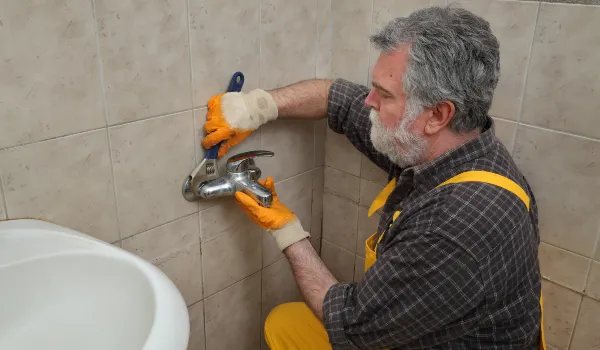
Slab Leak Detection for Austin Homes With Hidden Water Damage
Find the source before water spreads beneath your foundation.
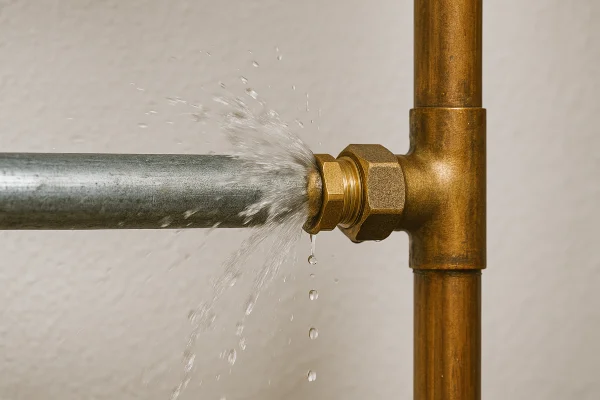
A damp patch on tile, a sudden drop in water pressure, or discoloured water at the faucet can make you wonder what is happening under the concrete. A slab leak often starts quietly in a buried supply line, then wastes water and saturates soil beneath the foundation. Emergency Plumber Austin can help locate the source before guesswork leads to unnecessary floor removal or a larger plumbing failure.
Visit https://emergencyplumberaustin.net to see everything we do.
A single slow drain can sometimes wait for a scheduled visit, especially if other fixtures drain normally and there is no standing water. Call promptly if damp flooring grows, pipes bang after fixtures shut off, hot water disappears, or the water meter moves while every faucet is off. Those signs can point to a pressurized leak, failed valve, or damaged line that may worsen beneath the slab.
Here Is What Happens During the Inspection
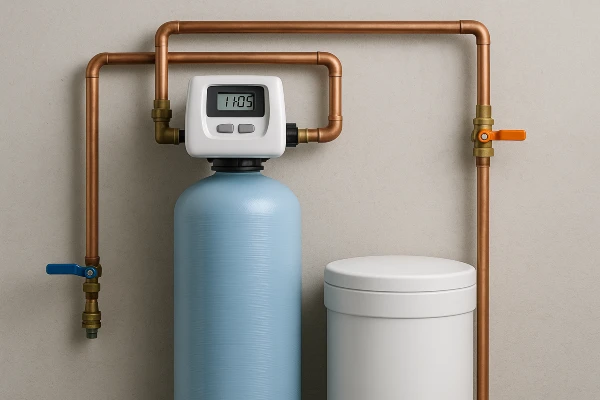
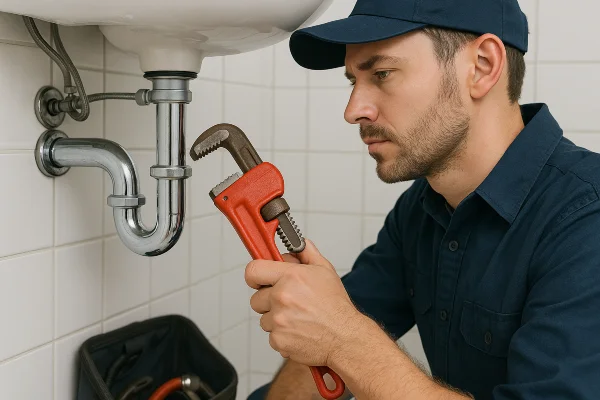
The visit usually begins with checking the water meter, shut-offs, pressure regulator, and visible supply lines for pressure loss. The plumber may isolate sections of the supply, inspect valves, and pressure test the system to narrow the leak’s location. If a drain line is suspected, a camera inspection through a cleanout can show cracks, offsets, or roots inside the pipe without opening the slab first.
Learn more about our expert Residential plumbing services services.
Residential plumbing services may also involve checking traps, toilets, fixtures, and water-heater components such as thermostats or anode rods, because a running toilet or failing tank valve can mimic a hidden leak. Once the source is confirmed, the repair plan might include accessing a line, soldering copper, re-seating a fixture, or hydro jetting a blocked drain. Final pressure testing verifies that the repaired pipe holds water.
Why the Scope Can Change After Testing
An older Austin home with galvanized pipe, aging copper, or previous foundation movement may need a different approach than a newer property with PEX supply lines. Access matters too: a leak below a kitchen cabinet is different from one beneath a tiled hallway or a post-tension slab. Detection can reveal one pinhole, but testing may also uncover weakened fittings, corroded valves, or multiple pressure drops.
Learn more about our expert Commercial plumbing services services.
Commercial plumbing services face similar decisions, although larger tanks, longer supply runs, and occupied work areas can complicate isolation. A targeted repair using a coupling may buy roughly two years if nearby pipe is badly corroded, while rerouting or replacing a compromised section can serve the system for fifteen years or more with proper conditions. Heavy spring rain, summer soil movement, and material availability can also affect access and repair choices.
Questions Worth Asking Before Work Starts
Ask how the contractor will confirm a slab leak before cutting concrete, and which tools will be used: pressure gauges, acoustic equipment, moisture readings, or a drain camera. A clear explanation should distinguish a leaking supply line from a drain issue, running toilet, or failed pressure regulator. In Austin, TX, also ask where water will be shut off and how the crew will protect flooring, cabinets, and nearby electrical outlets.
A useful estimate identifies the suspected pipe section, detection method, access area, materials, repair options, and testing after the work. Ask what could change the scope if the slab, tile, or supply line reveals additional damage once opened. The contractor should explain the trade-off between a small patch, a reroute, and pipe replacement before any soldering or excavation begins, not after the floor is already disturbed.
Emergency Plumber Austin
9430 Research Blvd, Austin, TX, 78759
(512) 582-5598
info@emergencyplumberaustin.net
Hours of Operation
Open 24 Hours